Accessibility refers to the design and creation of environments, products, technologies, and services that can be used, understood, and navigated by all people regardless of their physical, sensory, cognitive, or neurological abilities.
It ensures that individuals with disabilities can participate fully and independently in everyday activities, whether in digital spaces (like websites and apps), physical spaces (like buildings and transportation), or communication (like documents and media).
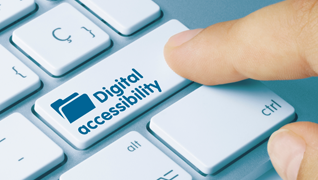
Digital accessibility refers to the design and development of digital content, applications, and services that are usable by all people, including those with disabilities. It ensures that people with disabilities can perceive, understand, navigate, interact with, and contribute to digital content independently.
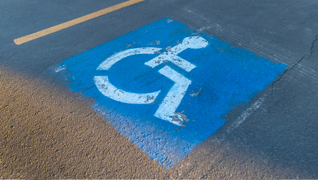
Physical accessibility is the practice of designing and maintaining the built environment so that people with disabilities can enter, move through, use, and exit spaces independently, safely, and with dignity.
"By making the web more accessible, we’re not just complying with legal standards, we're creating a more inclusive internet where everyone can participate, regardless of ability."